How Identity Takes Shape W/ Riyam
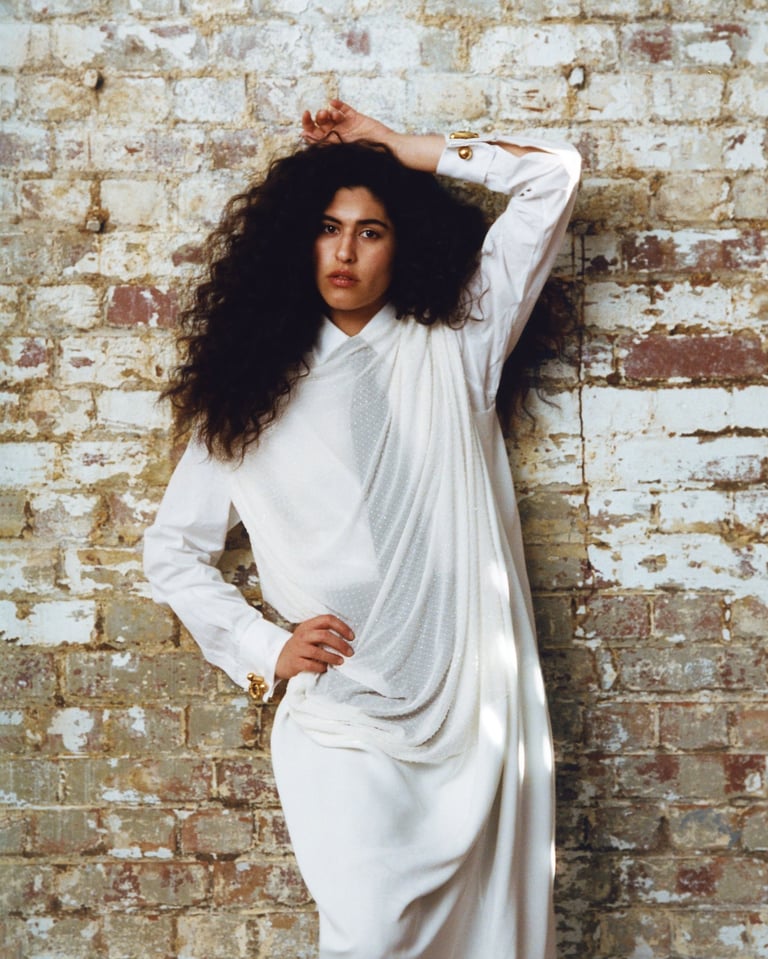
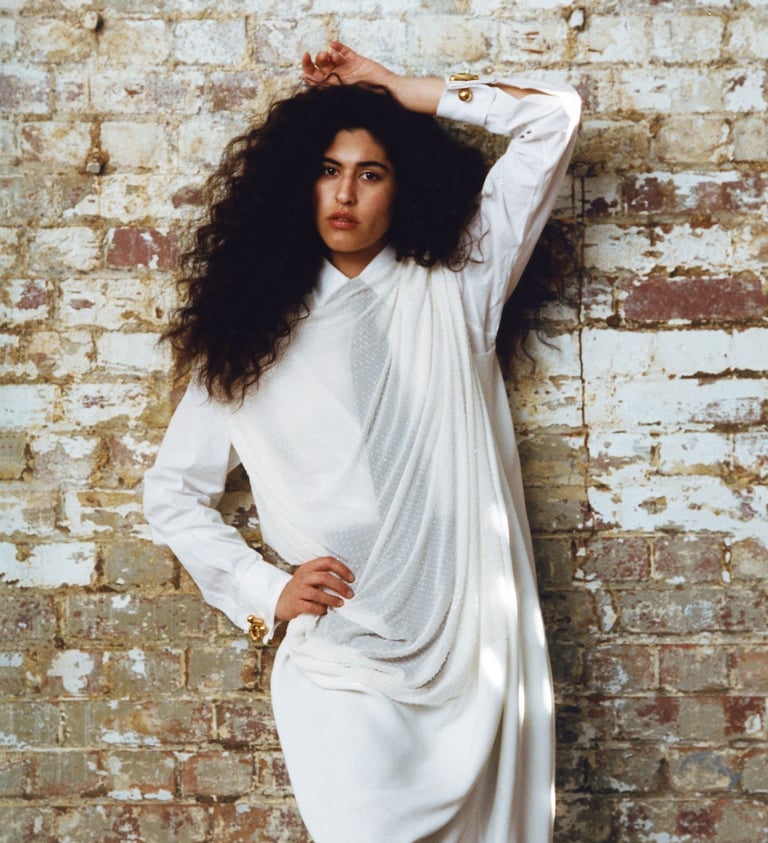
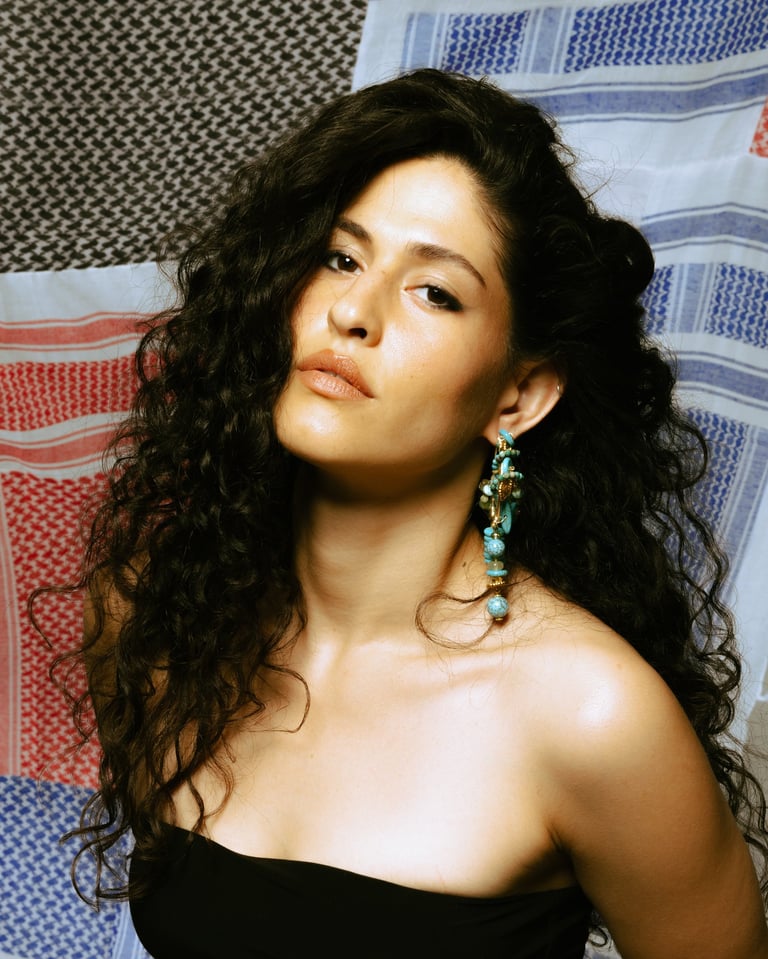
Riyam reflects on movement, identity, and fashion as lived experience. Shaped by cities, culture, and instinct, her work blends intention with play, building space for representation while identity continues to evolve.
FASHION
Adham El Deeb
2/14/20264 min read
Made by movement
Riyam talks about her childhood like it was never meant to sit still. Yemen comes up first. Not because she spent the longest time there, but because it was the beginning. "It’s where my first memories are," she explains. Even years later, it still holds weight.
Then came the UK. Beirut. Jordan. Morocco. Egypt. Each place added something new. Accents shifted. Habits changed. Comfort zones kept moving. "Living in so many countries made me really resilient and adaptable," she reflects. Home became something fluid. Multiple places felt familiar, but none fully owned her.
Stumbling into fashion
Fashion didn’t start as a dream or a goal. It arrived quietly through work. Assisting a personal shopper meant spending days surrounded by clothes, fabrics, and fittings. "That job was basically my fashion education," she says. Department stores became classrooms. Curiosity followed.
History came later. Understanding why things existed mattered just as much as how they looked.
Modelling happened even more unexpectedly. A moment. A shoot. A camera. "I never planned on modelling, but once I tried it, it felt right." It wasn’t about posing. It was about presence. Stepping into an image and letting it do the talking.
Inherited imagination
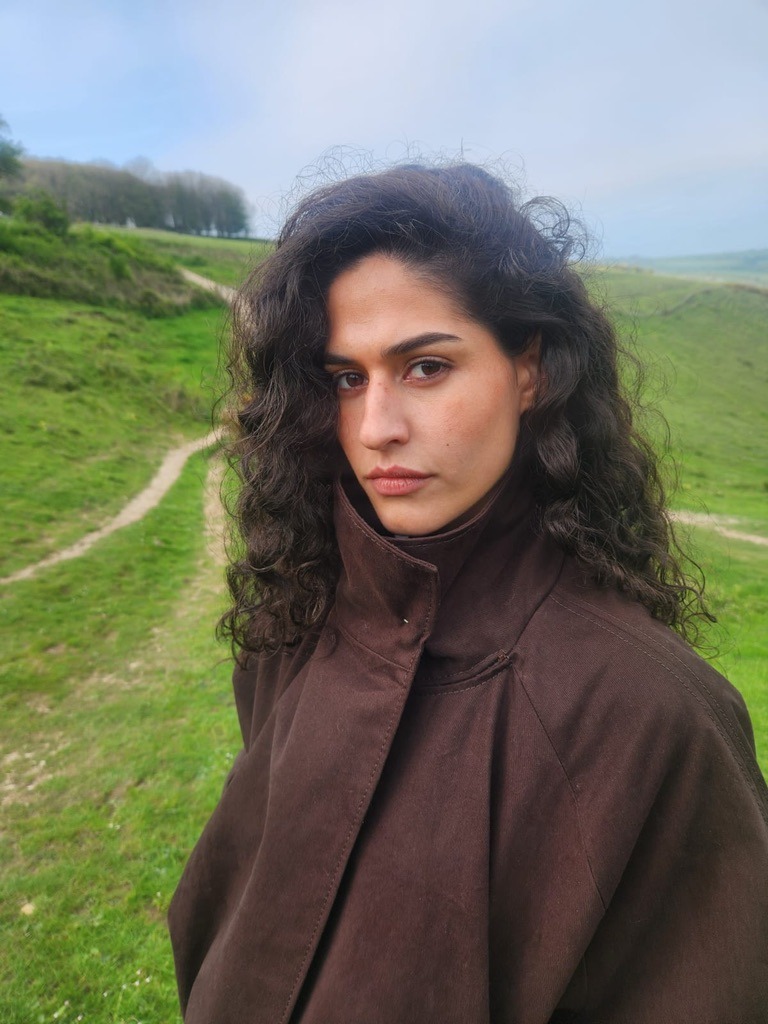
Art existed long before fashion entered the picture. Paintings filled the spaces she grew up in. Creativity was part of the environment. Her father’s work was always present, even when he wasn’t. Being aware of an Iraqi artistic lineage shaped how she thought about expression early on.
"I always wanted to be an artist," she admits. The only uncertainty was the medium.
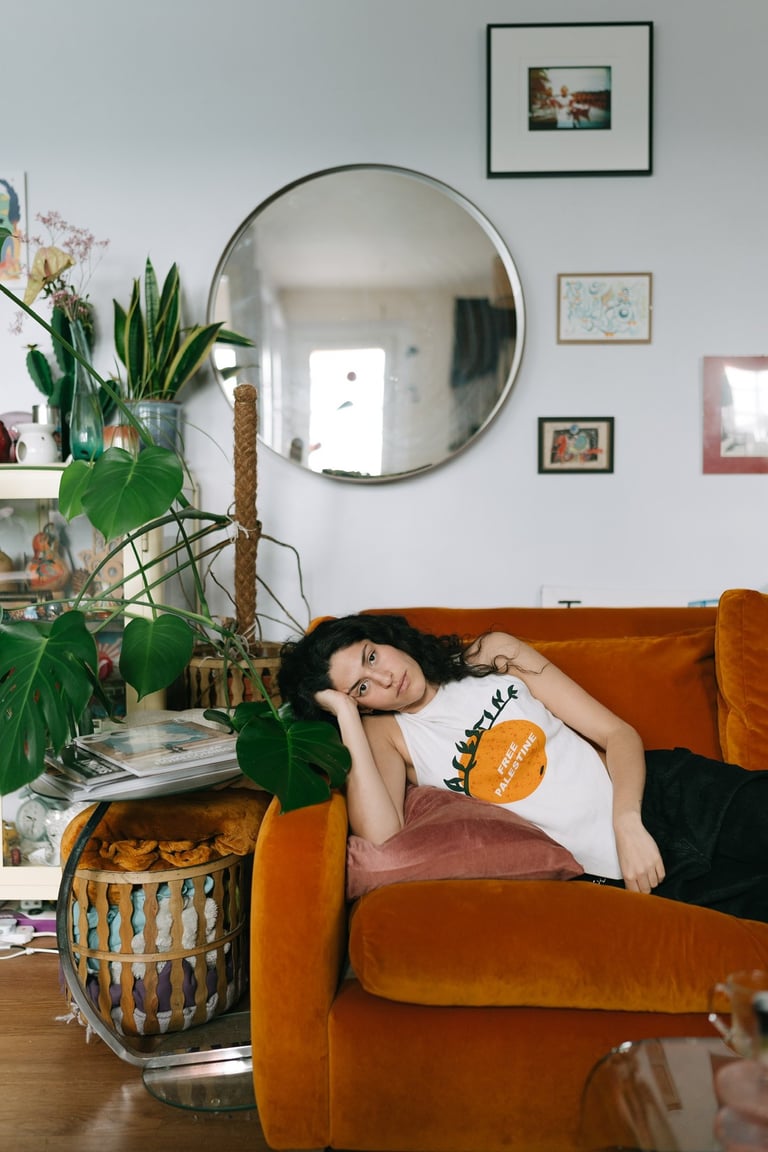
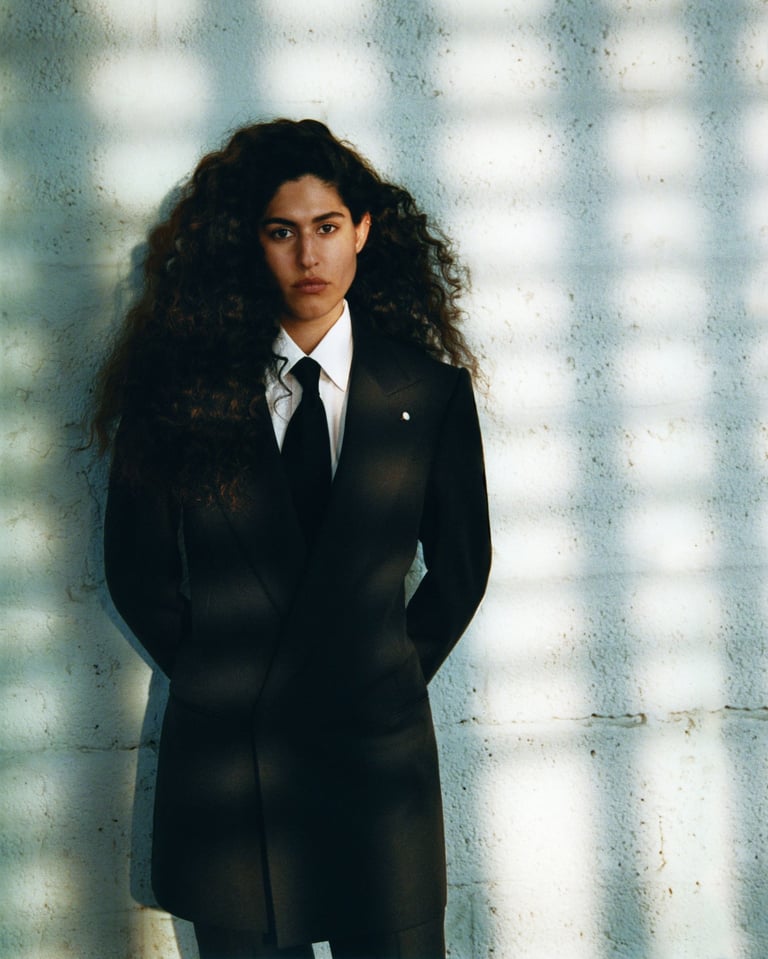
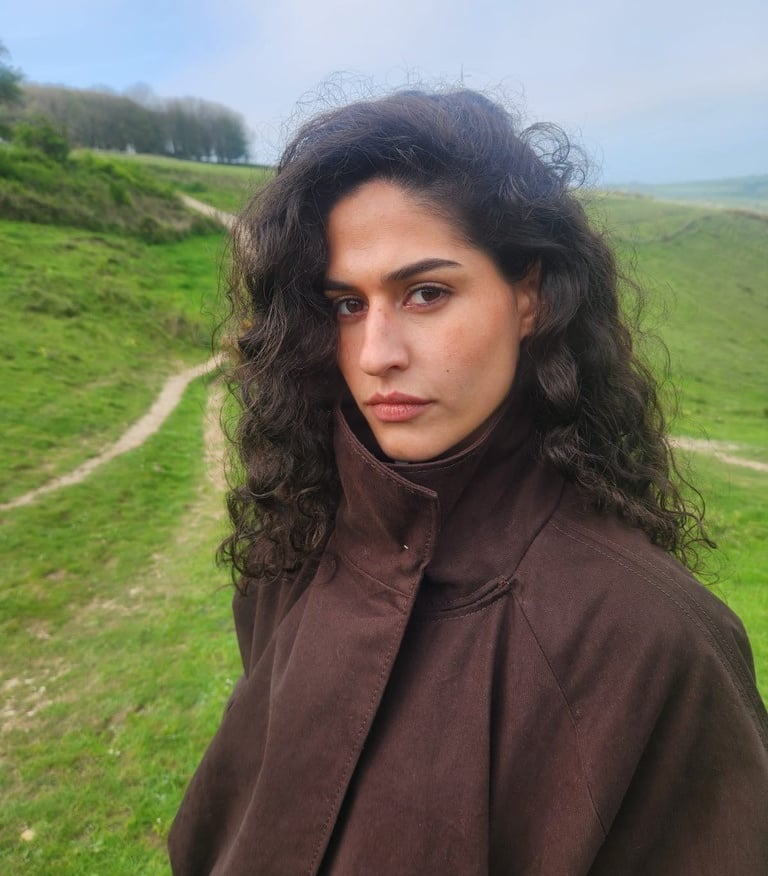
Only after leaving the region did things start to make sense. London created distance, and distance created curiosity. "Once I moved away, I actually became closer to my Arab roots," she says. Arabic improved. Research started. Identity stopped being background noise and became something she actively explored. Community was no longer assumed. It was something she searched for and built.
Her mother influenced things differently. Through elegance. Through objects. Through jewellery that carried history. Pieces passed down and still worn today. "My mother’s jewelry speaks to my story." These weren’t accessories. They were memories that moved with her.
Dressing by feeling
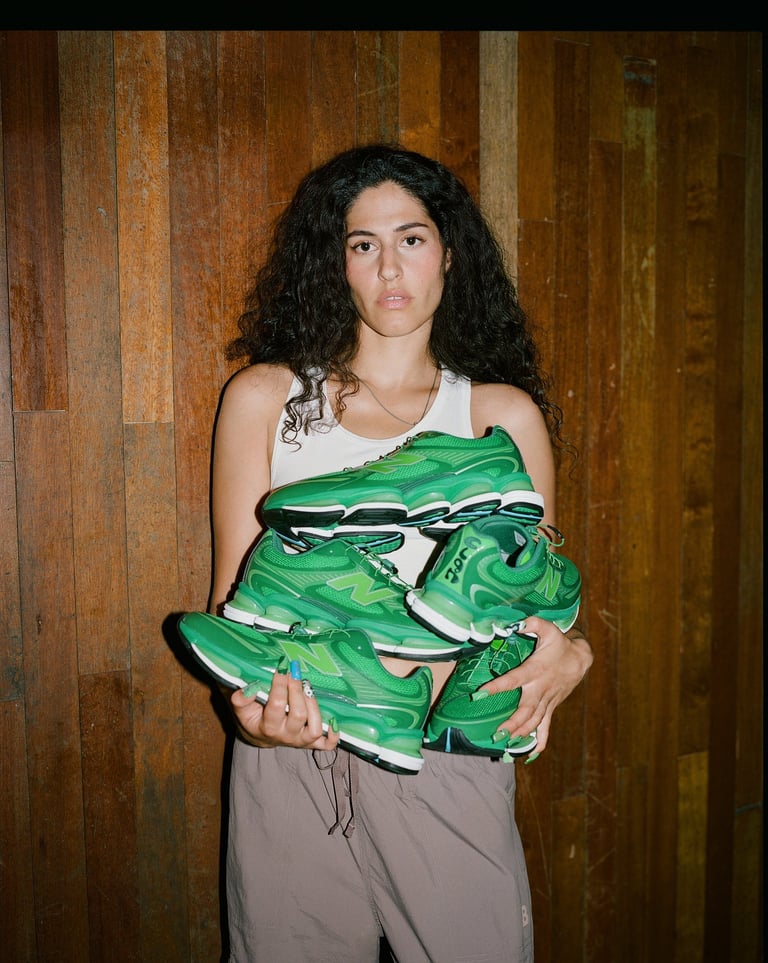
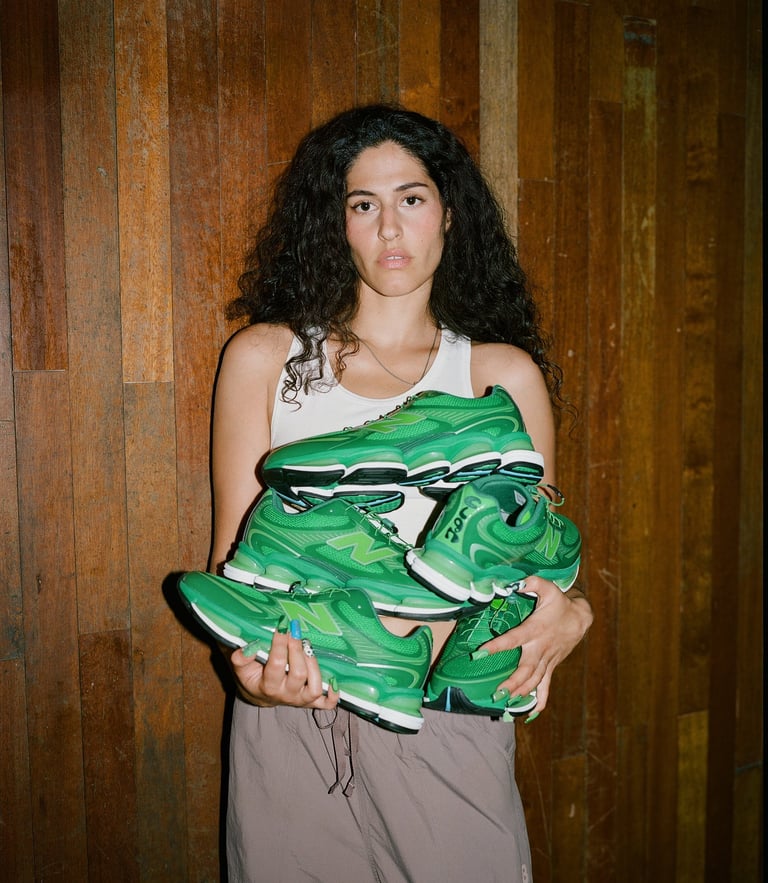
Trying to pin down Riyam’s personal style is almost pointless. It changes constantly. Mood-based. Effort-based. "It really depends on how I’m feeling that day," she says.
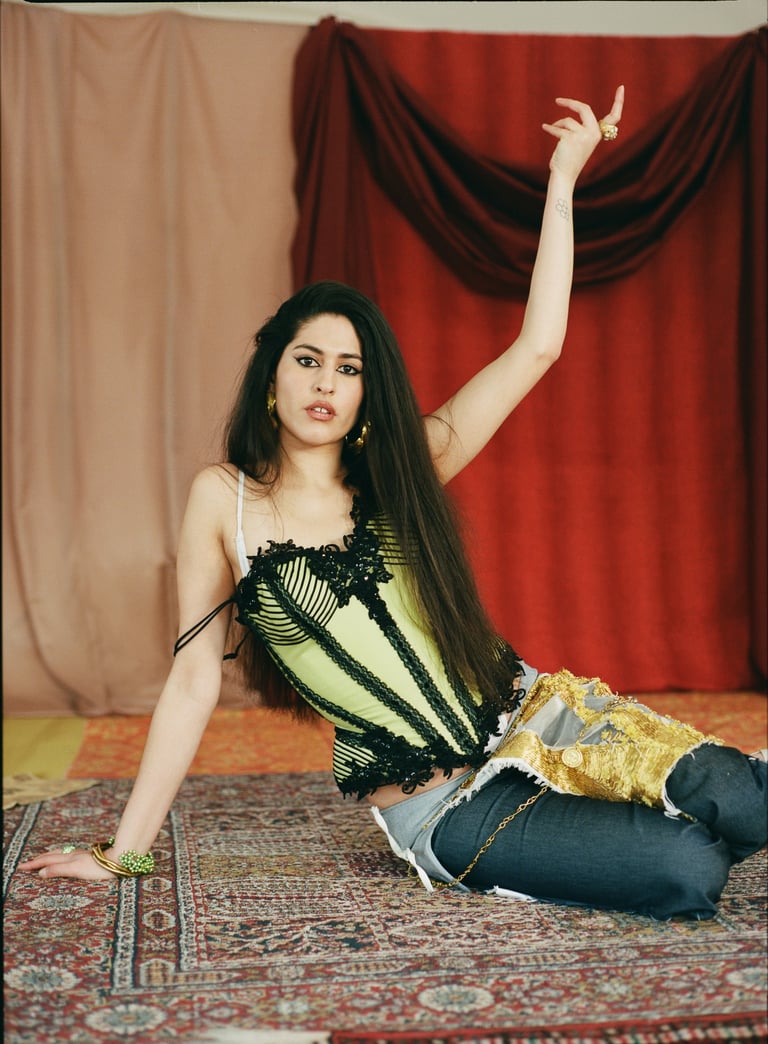
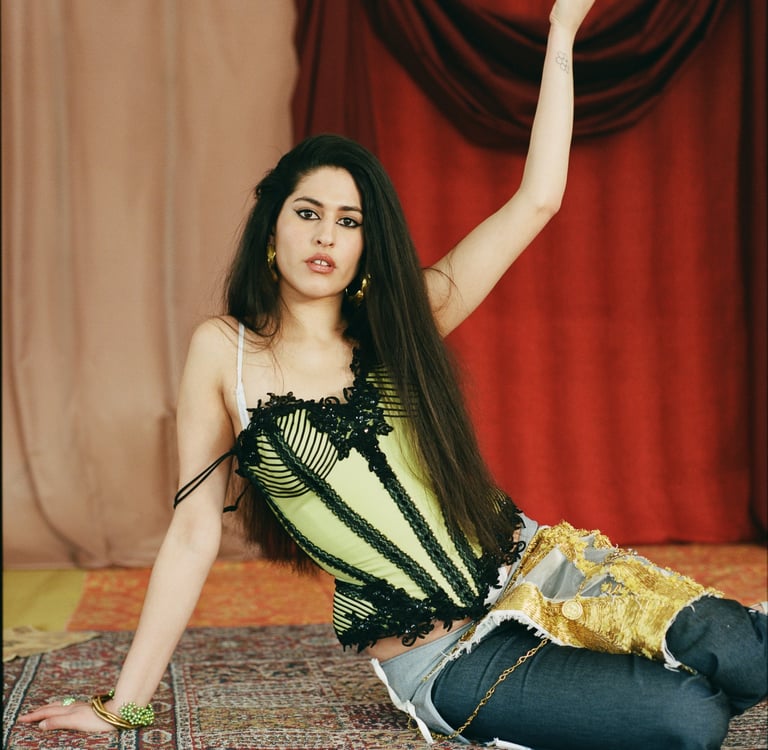
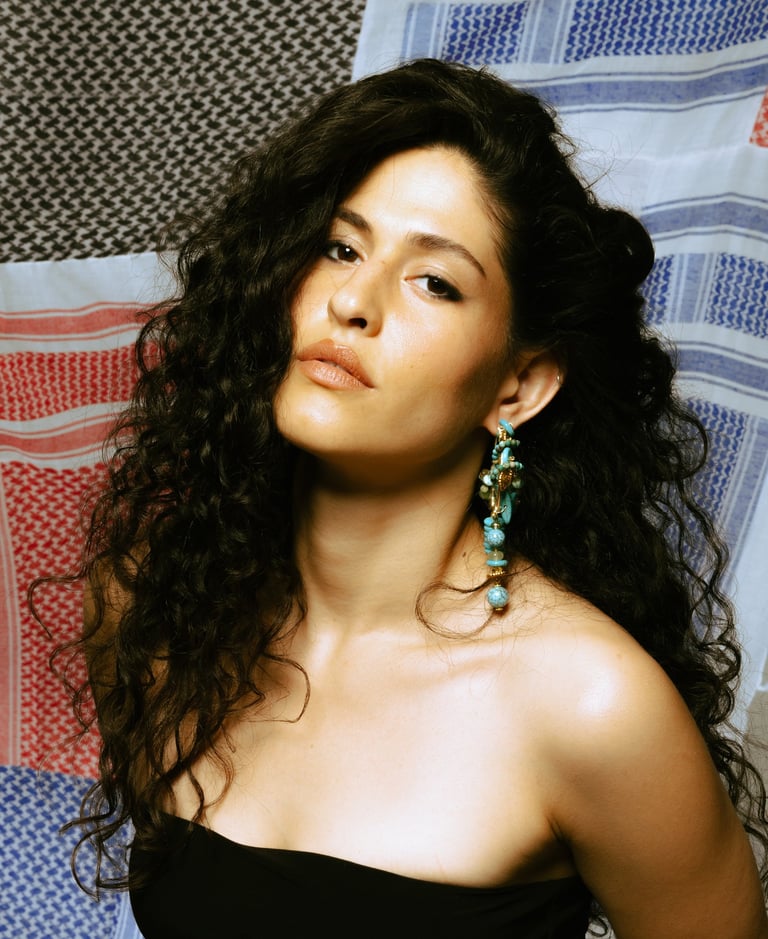
Themes appear naturally. A library visit becomes an excuse to dress like a corporate librarian mixed with comfort. Other days call for drama. Jewellery is always part of it. Especially inherited pieces. Yemeni silver shows up often. "I love mixing traditional things with modern ones."
Independent designers matter. Especially those from the SWANA region. Clothes are chosen intentionally. "I want pieces that actually stay in my wardrobe," she explains. Not trends that disappear.
The place that never left
Arab identity isn’t something Riyam adds on later, it’s already there, woven into everything she does. “It’s the region that made me,” she says, simply. Fashion becomes a way to carry culture without explaining it, to exist without turning identity into a statement or a defense. That way of thinking led to Oula, a casting initiative created to spotlight SWANA talent and create real space for visibility and mentorship. “Representation does not appear on its own. You have to build it.”
Becoming someone else for a moment
What excites her about shoots is character. Mood. Story. "When there’s a clear vision, modelling becomes an art form," she says.
Each shoot is a chance to step into a different life, even briefly. Different energy. Different world. "It’s like living another version of yourself for a few hours." Some projects leave a deeper mark. Especially those rooted in culture or personal history.
Staying open
For Riyam, play only works when it’s intentional. “People can recognize a poorly thought-out idea,” she says, which is why research and preparation matter just as much as instinct. Styling begins with curiosity and collaboration, pulling references, reaching out, building trust, then allowing space for change once on set. A clear plan creates freedom, making it easier to stay open without losing direction.
Ideas keep stacking up. Projects sit in post-production. Oula continues to grow. There’s no rush to lock the future into a fixed shape. The focus stays simple: keep building, keep collaborating, keep playing. Identity isn’t fixed, it keeps taking shape.